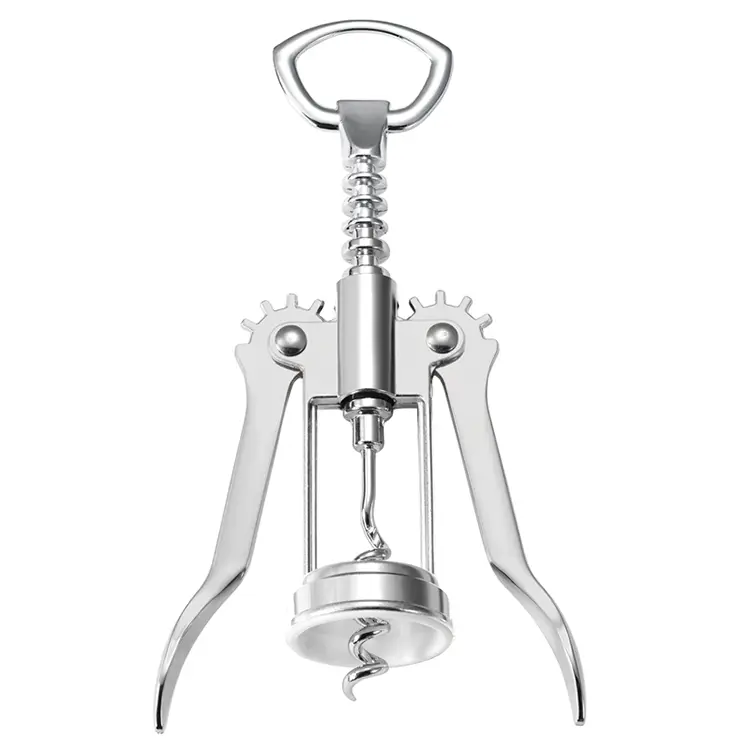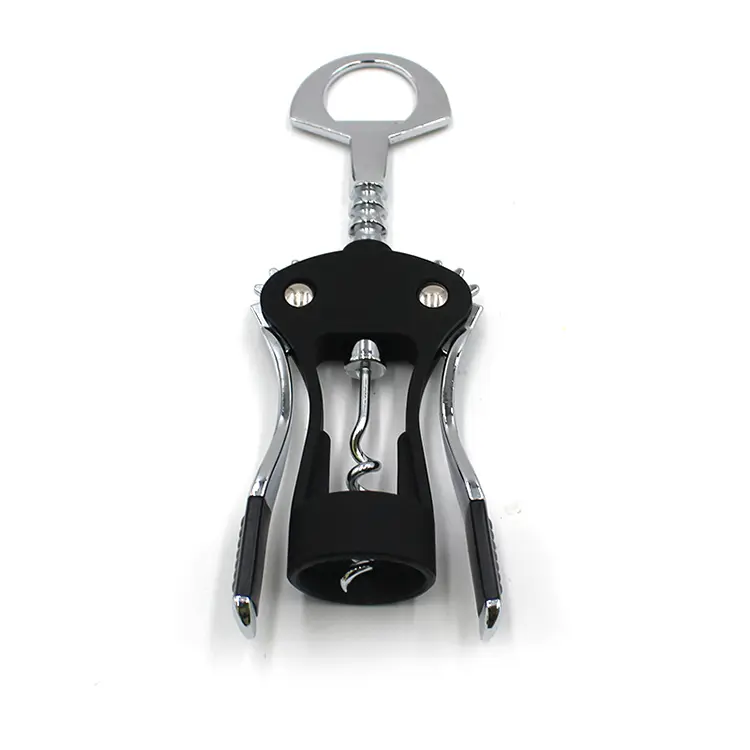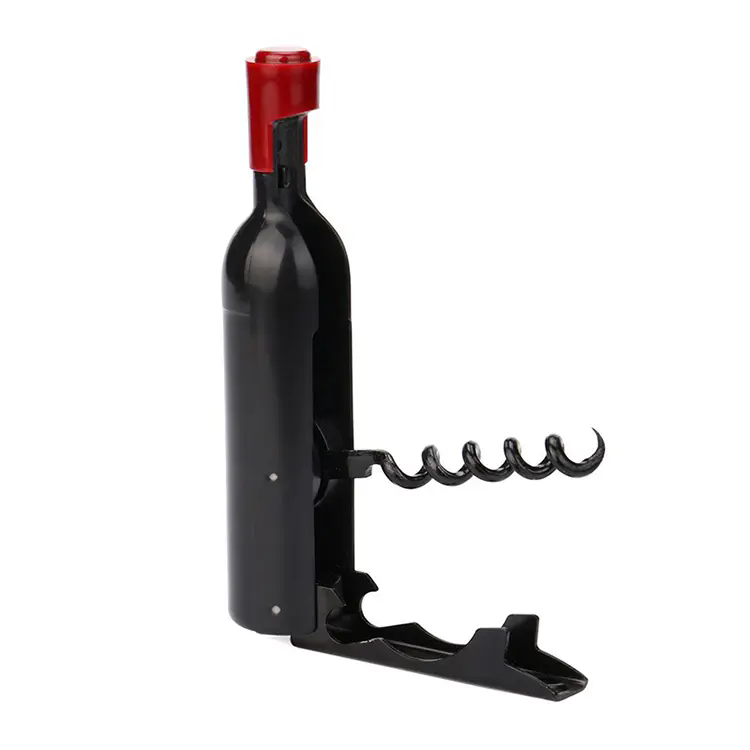

Article Summary: A reliable wine opener should combine strength, comfortable handling, practical design, and long-term durability. The Zinc Alloy Household Wine Bottle Opener from Hanjia is designed as a mid-range household corkscrew that balances metal construction, ease of use, customization potential, and competitive cost. With a zinc alloy body, high-strength steel worm, ABS components, and a multifunctional bottle-opening design, it can serve homes, parties, camping occasions, supermarkets, retail channels, and customized promotional programs.
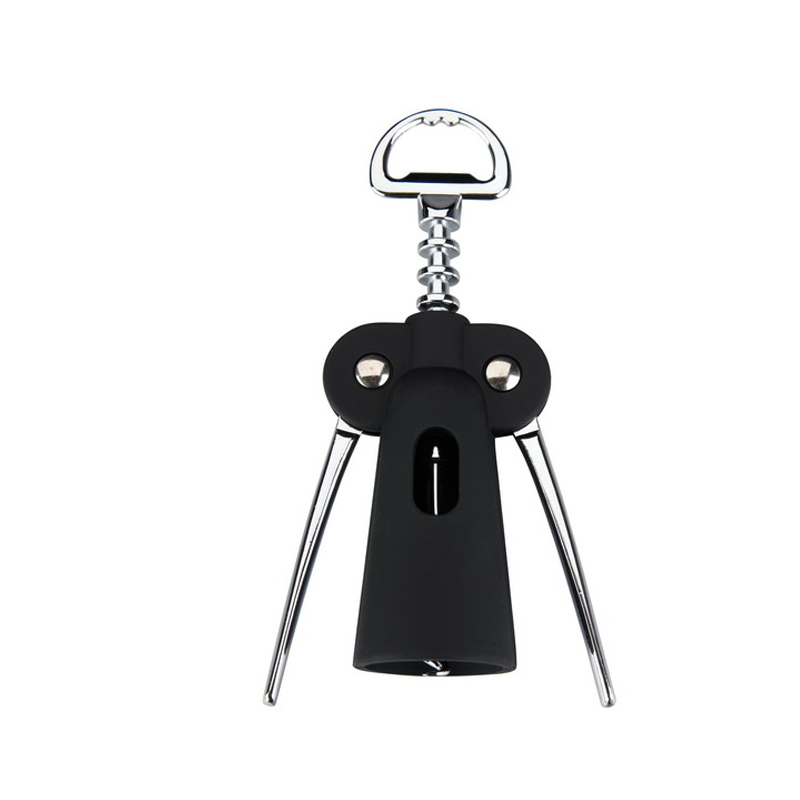
Table of Contents
- Why Does Zinc Alloy Matter in a Household Wine Opener?
- How Is the Zinc Alloy Household Wine Bottle Opener Designed?
- What Are the Key Features of This Wine Bottle Opener?
- How Does It Compare with Ordinary Plastic Wine Openers?
- Where Can a Zinc Alloy Household Wine Bottle Opener Be Used?
- What Customization Options Are Available for Buyers?
- How Does Professional Manufacturing Improve Product Reliability?
- What Should Buyers Consider Before Purchasing?
- Frequently Asked Questions
- Why Choose Hanjia for Wine Opener Procurement?
Why Does Zinc Alloy Matter in a Household Wine Opener?
Material selection directly affects the service life, handling experience, appearance, and perceived value of a wine bottle opener. While basic plastic corkscrews can meet simple opening requirements, they may feel lightweight or less robust during repeated use. A zinc alloy structure offers a more substantial feel while supporting a durable product design.
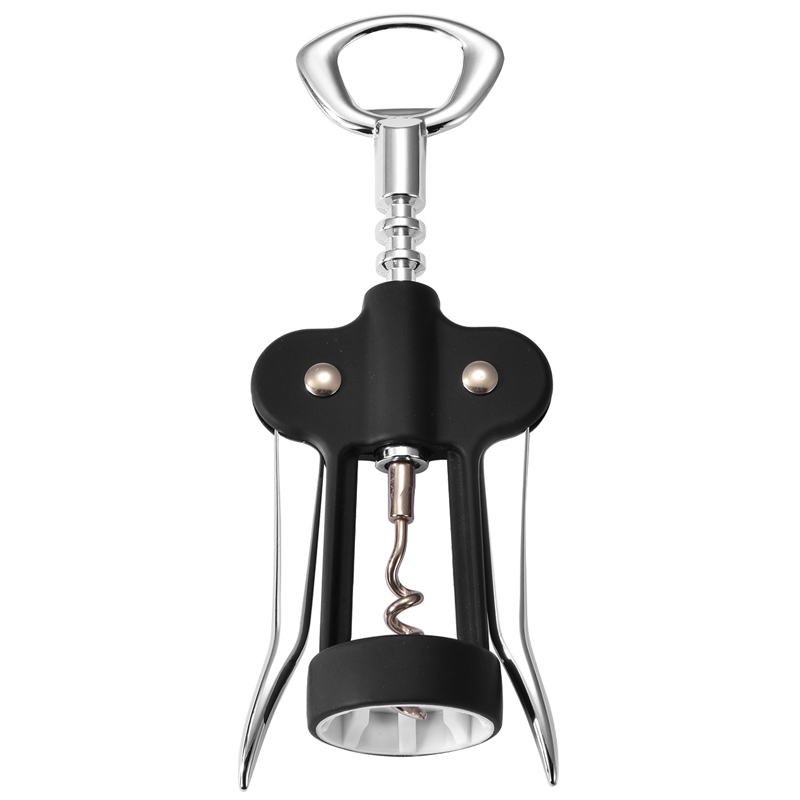
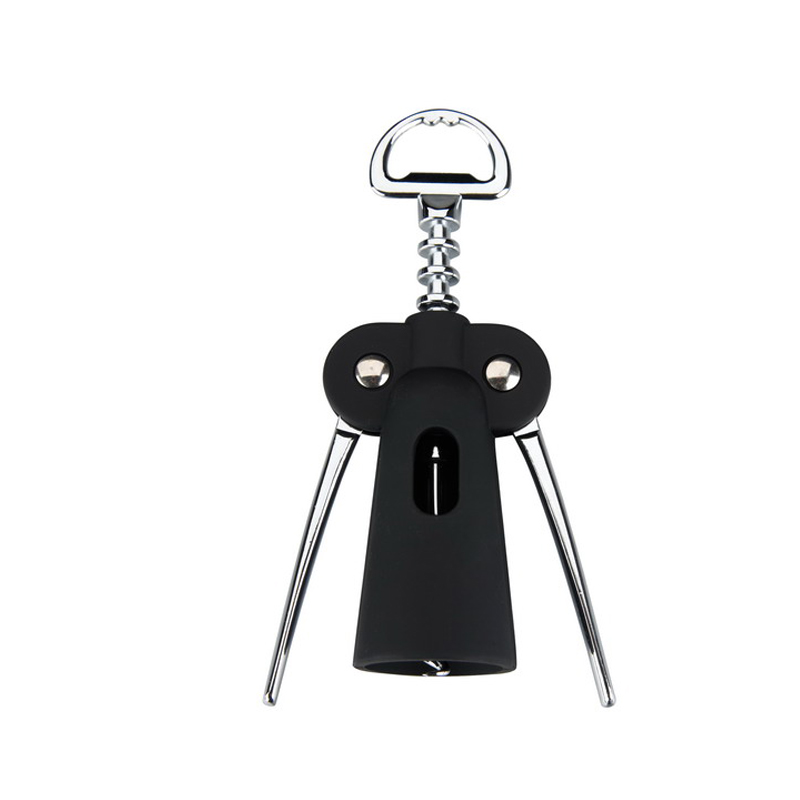
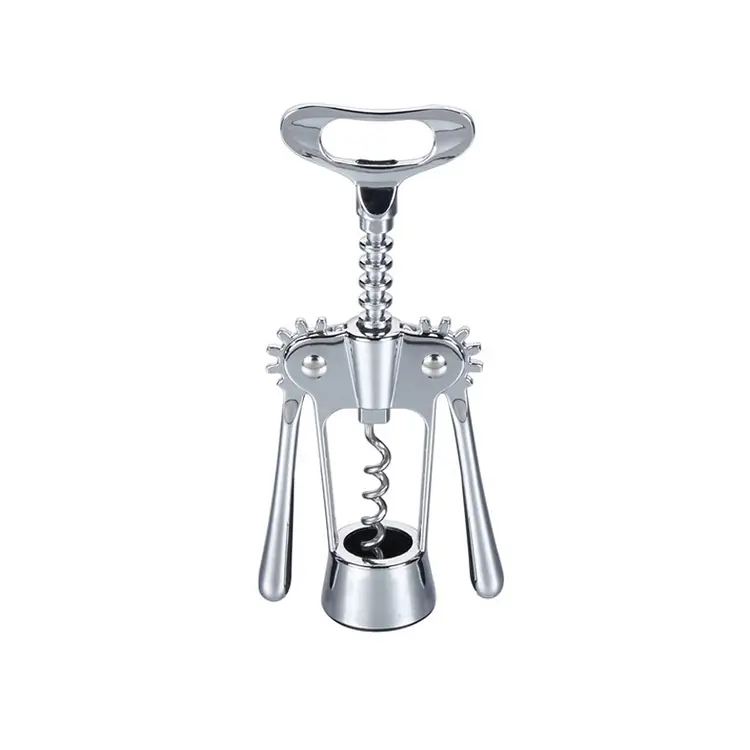
The Zinc Alloy Household Wine Bottle Opener uses zinc alloy for its main metal components, providing a balance between structural strength and manufacturing flexibility. According to Hanjia's product information, the zinc alloy portion weighs approximately 100 grams, while the complete opener weighs about 135 grams. This additional weight gives the opener a sturdier feel compared with many ordinary ABS plastic alternatives.
Zinc alloy is also suitable for precision die-casting applications, allowing manufacturers to develop practical shapes and attractive surface finishes. For buyers sourcing wine accessories, this creates opportunities to combine functional performance with retail-friendly appearance.
How Is the Zinc Alloy Household Wine Bottle Opener Designed?
The design combines several materials and functional elements rather than relying on a single material. This helps each component perform the task for which it is best suited.
| Component | Material / Design | Primary Function |
|---|---|---|
| Main metal components | High-quality zinc alloy | Provides structural strength and a substantial hand feel |
| Worm | High-strength steel | Penetrates and removes the cork |
| Plastic components | ABS | Supports grip, handling, and product styling |
| Threaded shaft | Integrated die-cast construction | Supports stable operation and component integration |
| Top section | Multifunctional design | Can also function as a beer bottle opener |
| Overall length | Approximately 17.5 cm | Provides a comfortable size for household use |
| Total weight | Approximately 135 g | Balances portability and sturdiness |
The maximum ring diameter is approximately 4 cm, allowing the opener to accommodate a broad range of bottle-mouth sizes. Its 17.5 cm overall length also makes it larger than many compact corkscrews while remaining convenient for storage in a kitchen drawer, bar cabinet, picnic bag, or camping kit.
What Are the Key Features of This Wine Bottle Opener?
A good household wine opener should not simply remove a cork. It should also provide predictable operation, comfortable handling, suitable durability, and an appearance that works across different consumer markets.
The main advantages of this design include:
- Durable zinc alloy construction: A higher proportion of zinc alloy creates a sturdier alternative to low-cost plastic designs.
- High-strength steel worm: The corkscrew worm is designed specifically for the demanding part of cork removal.
- Integrated construction: The worm and threaded shaft are formed through a secondary die-casting process rather than being treated as completely separate components.
- Multifunctional operation: The top of the threaded shaft can also be used as a beer bottle opener.
- Comfortable ABS components: ABS parts can support ergonomic handling and can be further enhanced with rubber coating.
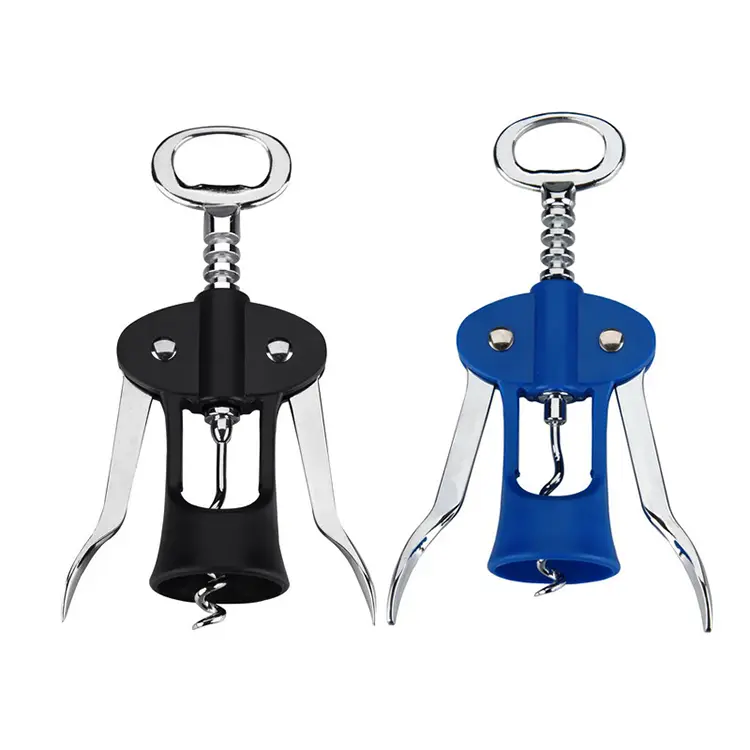
- Color customization: Buyers can request different colors to match branding or specific retail-market requirements.
- Suitable retail positioning: Its combination of zinc alloy construction and competitive pricing makes it suitable for mid-range product positioning.
These characteristics make the opener relevant not only to individual consumers but also to wholesalers, importers, supermarket buyers, wine accessory distributors, and promotional product businesses.
How Does It Compare with Ordinary Plastic Wine Openers?
Different wine openers serve different market segments. A basic plastic opener may be appropriate when the lowest possible purchase price is the primary consideration. However, buyers seeking a stronger construction and better perceived value may prefer a metal-based alternative.
| Feature | Zinc Alloy Household Wine Bottle Opener | Basic Plastic Corkscrew |
|---|---|---|
| Main structure | Zinc alloy with ABS components | Primarily plastic |
| Weight | Approximately 135 g | Usually lighter |
| Perceived durability | Higher | Basic |
| Grip customization | Color and rubber coating options | More limited |
| Appearance | Metallic and customizable | Simple |
| Market positioning | Mid-range | Entry-level |
| Customization potential | High | Generally lower |
The comparison does not mean that every plastic opener is unsuitable. Instead, it highlights why zinc alloy can be advantageous when a product needs to communicate durability and quality while remaining commercially accessible.
Where Can a Zinc Alloy Household Wine Bottle Opener Be Used?
The product is designed around everyday convenience, making it suitable for multiple consumption and distribution environments.
Home Kitchens and Home Bars
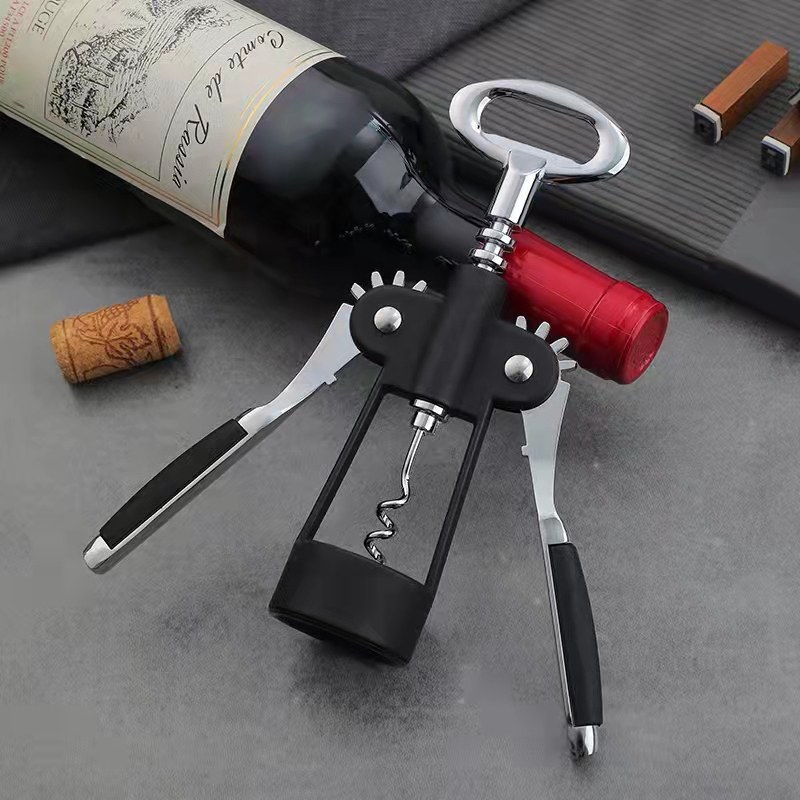
For households that regularly enjoy wine, a dedicated opener can remain ready in a kitchen drawer, bar cabinet, or dining area. Its multifunctional design can also reduce the need for separate tools.
Parties and Social Gatherings
Wine is frequently served at dinners, celebrations, and informal gatherings. A sturdy manual opener can provide a simple solution without batteries, charging cables, or complicated operating steps.
Camping and Outdoor Activities
The manual construction makes it practical for picnics, camping trips, outdoor dinners, and other situations where electrical accessories may be inconvenient.
Supermarkets and Retail Stores
Its relatively simple packaging and accessible positioning make it suitable for supermarket shelves and general retail distribution. Buyers can also develop color variations to create different product lines.
Wholesale and Promotional Programs
For businesses purchasing in volume, customized colors, packaging, or product development can help create a wine accessory that aligns with a particular brand identity or promotional campaign.
What Customization Options Are Available for Buyers?
Customization is increasingly important for importers and distributors who want products that differentiate their assortment. Hanjia's manufacturing capabilities support product development, mold development, color customization, and mass production.
Depending on the project requirements, buyers can discuss options such as:
- Custom product colors
- Rubber-coated grip surfaces
- Customized appearance and design details
- New mold development
- Customized packaging
- OEM and ODM production
- Bulk production for retail distribution
Full color customization can be especially valuable for retailers and brands that need wine accessories to match corporate colors, seasonal campaigns, product collections, or private-label programs.
For buyers interested in the broader product category, the wine bottle opener range provides additional options for comparing manual, lever, electric, and other designs.
How Does Professional Manufacturing Improve Product Reliability?
Product quality is influenced not only by material selection but also by tooling, production control, assembly, finishing, and inspection. Hanjia operates as an integrated manufacturer with product development, production, and sales capabilities. Its company information states that the factory covers approximately 20,000 square meters and has standardized production facilities. :contentReference[oaicite:0]{index=0}
The manufacturing process can involve several stages, including mold development, die casting, machining or related processing, surface treatment, component assembly, inspection, and packaging. Maintaining these processes within an integrated production system can make it easier to coordinate product consistency and customization requirements.
Hanjia also reports BSCI, ICS, and ISO-related certifications or factory audits, as well as food-contact compliance such as LFGB and FDA for its relevant products. Its website additionally states that it has more than 50 trademarks and product patents and has supplied customers including Walmart and Alessi. These claims should be evaluated against the specific documentation required for a buyer's market and product order. :contentReference[oaicite:1]{index=1}
For international procurement, this combination of manufacturing capability, customization support, quality management, and documentation can be particularly useful when developing a long-term supply relationship.
What Should Buyers Consider Before Purchasing?
Whether you are a consumer, distributor, supermarket buyer, or wine accessory importer, several factors should be evaluated before placing an order.
- Material: Confirm whether the main body uses zinc alloy and whether the worm uses a suitable high-strength steel.
- Construction: Review how the threaded shaft and worm are integrated and how the finished product is assembled.
- Ergonomics: Consider overall dimensions, weight, grip shape, and whether rubber coating is required.
- Customization: Determine whether color, packaging, mold, or appearance customization is necessary.
- Compliance: Ask for applicable food-contact and market-specific testing documents when required.
- Packaging: Choose packaging according to supermarket, e-commerce, wholesale, or promotional requirements.
- Production capability: For bulk orders, assess whether the manufacturer can support stable mass production and quality control.
- After-sales communication: A responsive supplier can make sampling, customization, and production coordination more efficient.
For procurement teams, the right product is therefore not necessarily the cheapest wine opener. A better approach is to evaluate the total combination of construction, appearance, functionality, customization, compliance, production capability, and supplier support.
Frequently Asked Questions
1. What material is used in the Zinc Alloy Household Wine Bottle Opener?
The main metal components use zinc alloy, while the plastic components use ABS. The corkscrew worm is made from high-strength steel, helping it perform the core cork-removal function.
2. How much does this wine bottle opener weigh?
The complete product weighs approximately 135 grams, with approximately 100 grams attributed to the zinc alloy portion. The final specification may vary according to customization.
3. What is the overall size of the opener?
The standard product is approximately 17.5 cm long. Its maximum ring diameter is approximately 4 cm, allowing it to work with a broad range of bottle mouths.
4. Can the Zinc Alloy Household Wine Bottle Opener be customized?
Yes. Hanjia supports customization options including color, rubber coating, product design, mold development, and packaging according to project requirements.
5. Is this opener suitable for wholesale purchasing?
Yes. The product is positioned for household use, retail distribution, supermarkets, wholesale procurement, and customized programs. Buyers can discuss bulk quantities, packaging, and product development with the manufacturer.
6. Can the opener be used for beer bottles?
Yes. The top of the threaded shaft is designed to function as a bottle opener for beer, giving the product an additional everyday-use function.
7. Why choose zinc alloy instead of an ordinary plastic opener?
Zinc alloy provides a more substantial construction and weight, which can improve the perceived quality and durability of the product. It also offers greater flexibility for attractive metal-based designs and customized finishes.
Why Choose Hanjia for Wine Opener Procurement?
A well-designed wine opener should deliver more than basic cork removal. It should provide a reliable balance of materials, ergonomics, appearance, durability, functionality, and commercial value. The Zinc Alloy Household Wine Bottle Opener combines a zinc alloy structure, high-strength steel worm, ABS components, multifunctional operation, and customization options to address these requirements.
For wholesalers, retailers, importers, and private-label brands, Hanjia's integrated manufacturing capabilities can provide additional support from product development and mold creation through production and packaging. If you are looking for a dependable wine accessory solution with customizable options and competitive manufacturing support, explore the Zinc Alloy Household Wine Bottle Opener and contact us to discuss samples, specifications, customization requirements, bulk orders, and your next wine accessory project.