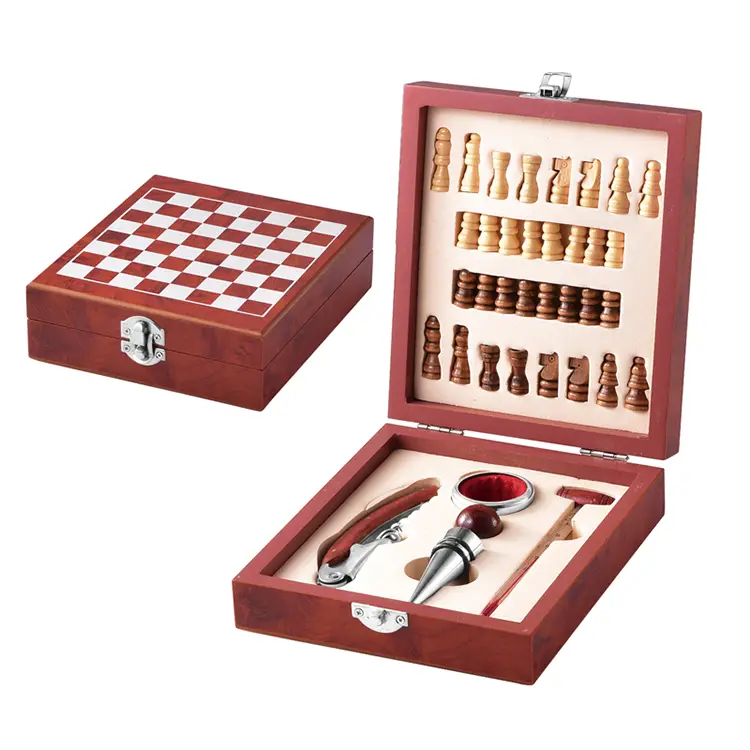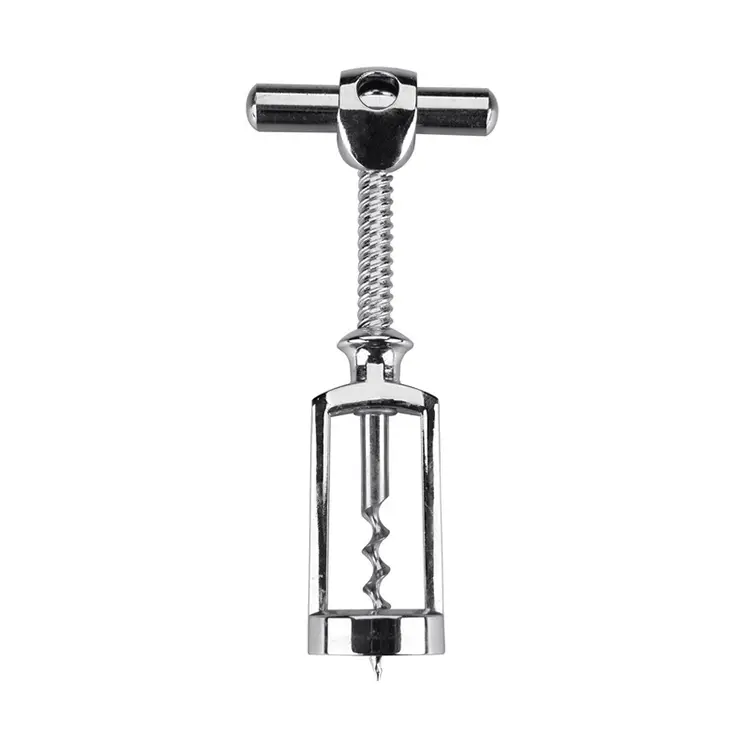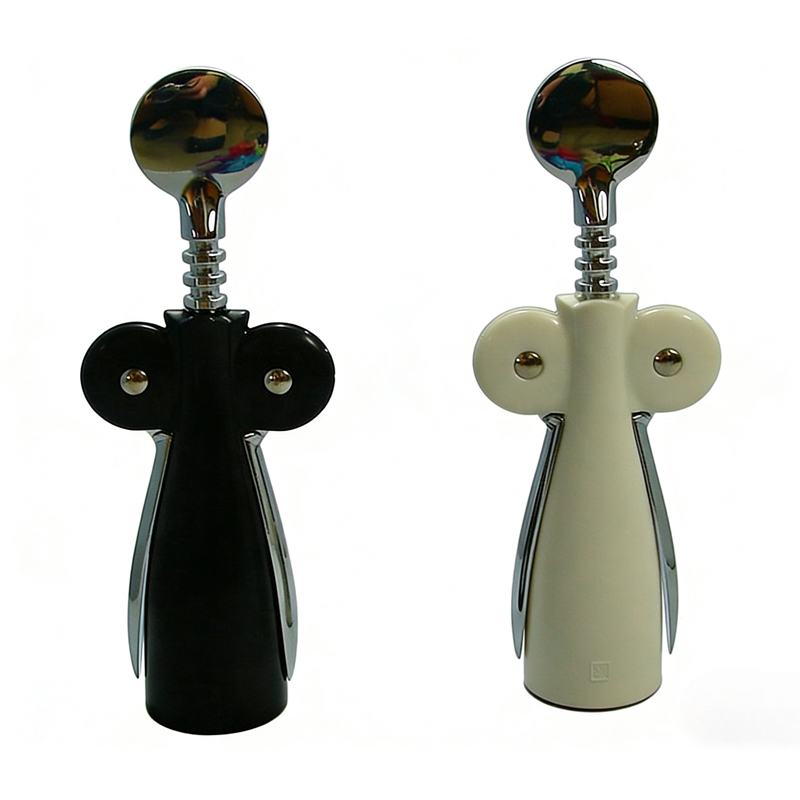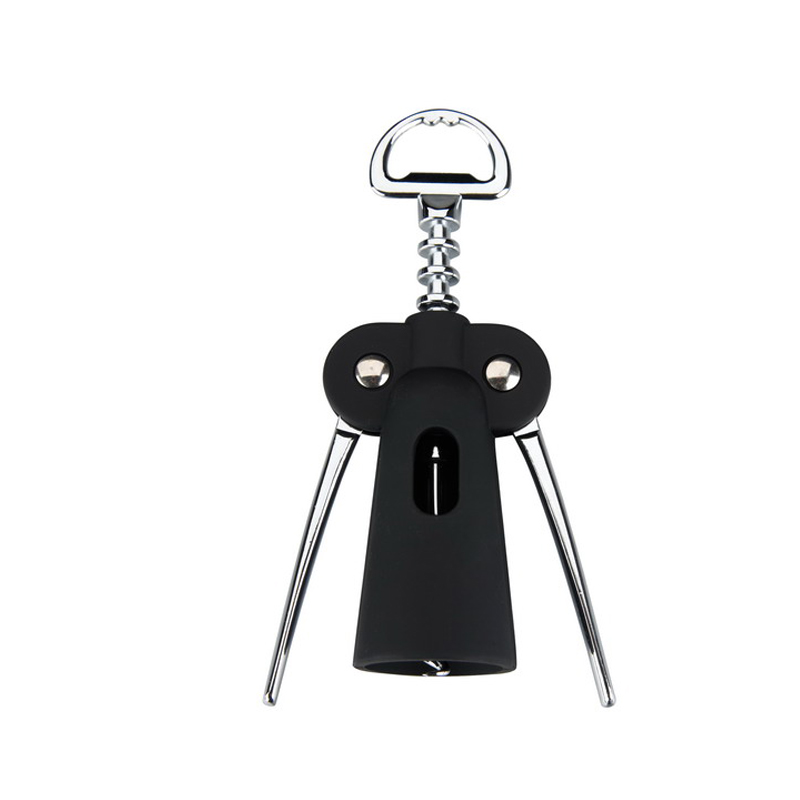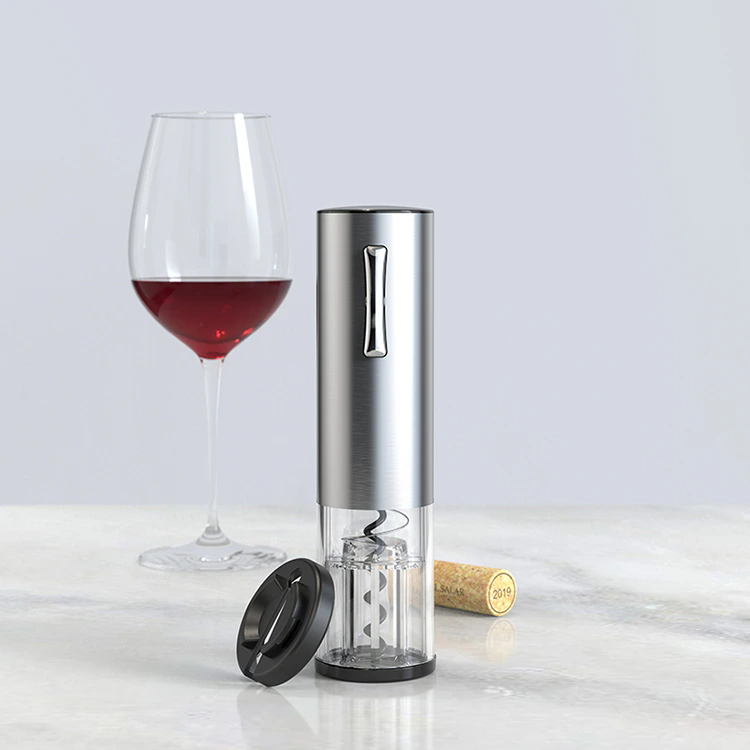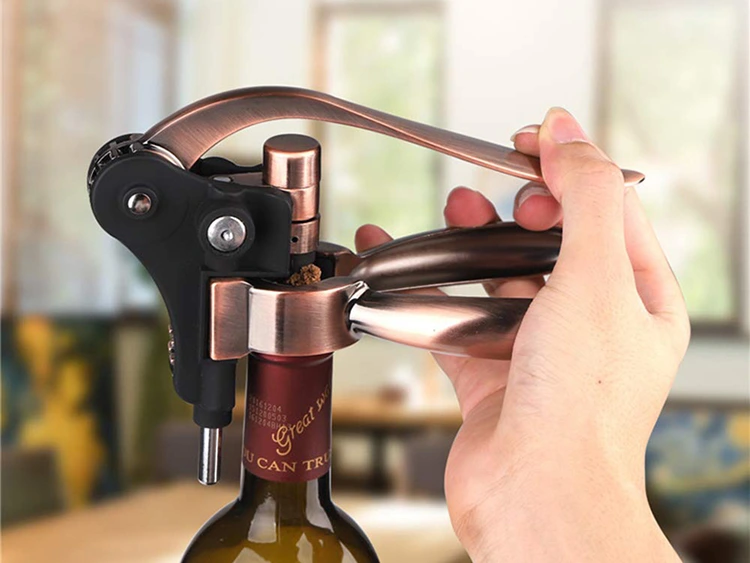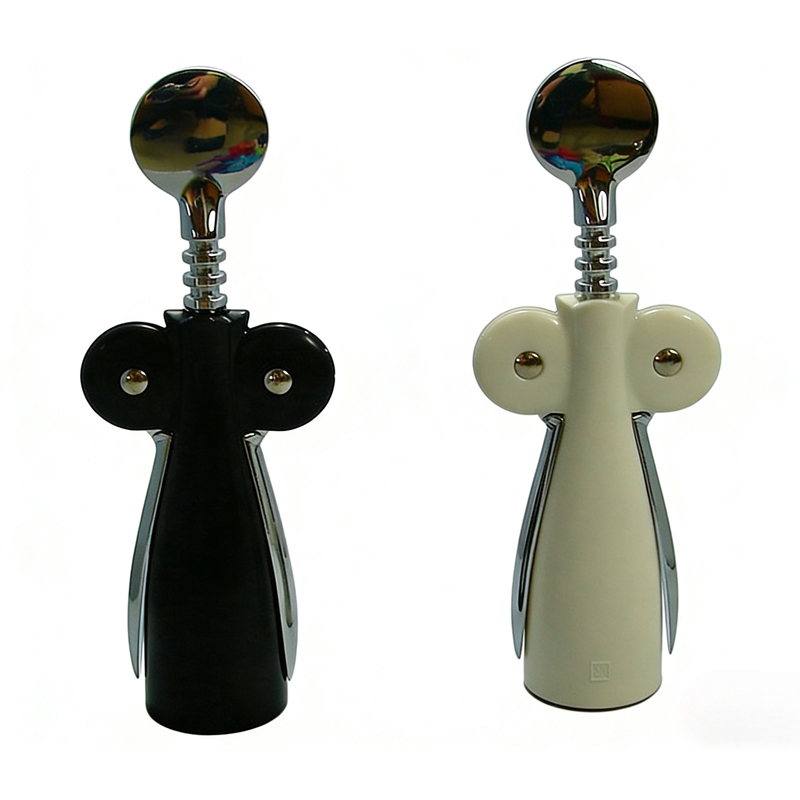

Jinhua Hanjia Commodity Co., Ltd. Zinc Alloy Gift Wine Bottle Opener follows global demands for safe kitchenware materials. Material transparency matters greatly for home goods. This bottle opener perfectly balances material standards, design and compliance in daily use.
Eco-friendly zinc alloy does not refer to a single formula, but rather to a controlled production approach where raw materials, melting processes, and surface treatments are managed to reduce harmful impurities and environmental burden.
In the case of decorative and functional tools like a Wine Bottle Opener, zinc alloy is typically combined with aluminum, magnesium, or copper in precise ratios. The goal is to achieve:
- Stable structural strength
- Smooth casting performance
- Reduced lead and cadmium residues
- Improved recyclability after product life cycles
Modern production systems, such as those used in Jinhua Hanjia Commodity Co., Ltd., emphasize consistent material refinement and surface finishing techniques that aim to reduce environmental impact while maintaining tactile quality and durability.
A key concern in this field is heavy metal control. Eco-friendly zinc alloy prioritizes purification steps that minimize unwanted elements during smelting, ensuring safer contact in household environments, especially when products are frequently handled.
Wine accessories are often overlooked in material discussions, yet they are frequently handled, pressed, and rotated during use. This makes surface safety and coating stability particularly important.
A Zinc Alloy Gift Wine Bottle Opener is not only a mechanical tool but also a hand-contact product. The interaction between hand pressure and metal surface creates long-term wear patterns that can influence both appearance and usability.
Key material-related concerns include:
- Surface oxidation resistance
- Coating durability under repeated friction
- Smoothness of mechanical movement
- Resistance to corrosion in humid environments
When eco-friendly zinc alloy is used properly, it helps maintain structural consistency while reducing the likelihood of surface degradation over time.
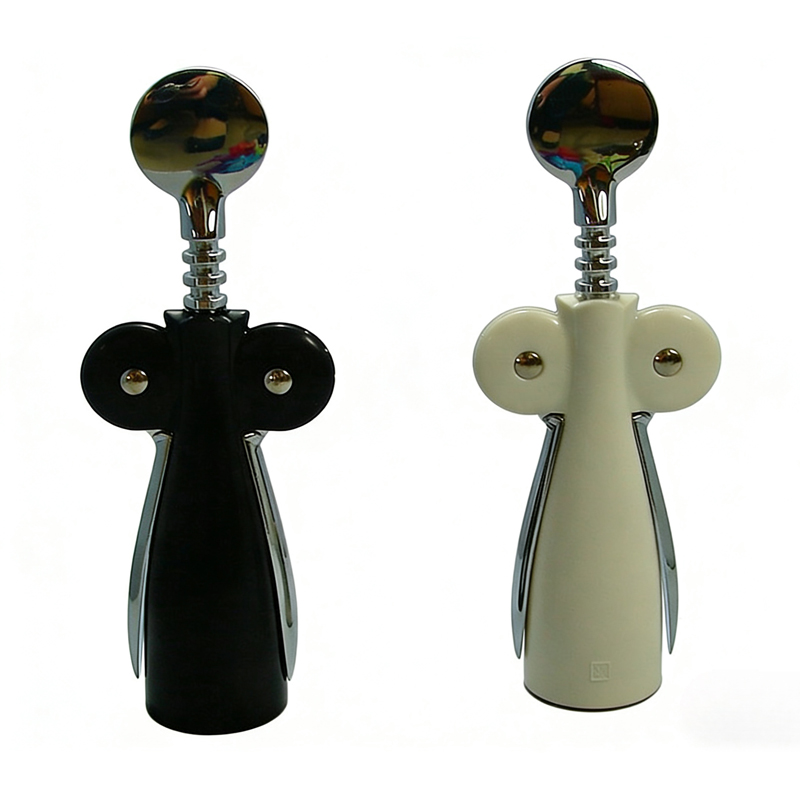
Beyond material selection, structural design plays a significant role in usability. Modern figurine-style wine openers often integrate aesthetic sculpting with mechanical optimization.
The Wine Bottle Opener discussed in this context uses a balanced structural layout that distributes force evenly across the dual-wing mechanism. This helps reduce operational resistance and improves motion fluidity.
Key design characteristics:
- Ergonomically aligned wing handles
- Smooth spiral worm insertion path
- Balanced weight distribution (approximately 140g class design range)
- Hand-polished metal surface with reflective finishing
- ABS integration points designed to reduce friction damage
A simplified breakdown of material-role interaction is shown below:
| Component | Material Type | Functional Purpose | Performance Focus |
| Main body | Zinc alloy | Structural frame | Strength & stability |
| Handles | ABS polymer | Grip interface | Comfort & protection |
| Spiral worm | Hardened steel | Cork extraction | Penetration efficiency |
| Surface layer | Electroplating coating | Protection & appearance | Corrosion resistance |
This combination demonstrates how hybrid material systems are increasingly used to balance aesthetics and function.
Material safety is closely linked with international testing frameworks. For products like a Wine Bottle Opener, compliance verification often involves multiple standardized assessments.
Common testing and certification focus areas:
| Standard / Test | Purpose | Focus Area |
| LFGB | Food contact safety | Material migration control |
| FDA | Safety in consumer use | Chemical stability |
| RoHS | Hazardous substance restriction | Heavy metal limitation |
| SGS Testing | Third-party verification | Overall compliance validation |
| TUV Assessment | Technical safety review | Structural and material integrity |
These frameworks ensure that material selection is not only based on mechanical performance but also aligned with global safety expectations for household-use items.
Eco-friendly zinc alloy systems are particularly evaluated for lead content control, surface coating stability, and long-term interaction safety.
In modern home environments, functional tools are increasingly expected to contribute to visual atmosphere. Figurine-inspired designs, especially in wine accessories, often bridge the gap between utility and decorative presence.
A Zinc Alloy Gift Wine Bottle Opener is frequently positioned not only as a functional tool but also as part of interior styling. Its reflective surface and sculpted silhouette allow it to blend into dining spaces, display cabinets, or home bar setups.
Common lifestyle applications include:
- Home dining table settings
- Small gathering occasions
- Decorative shelf displays
- Gift packaging presentations
- Hospitality environment accents
The combination of polished zinc alloy and ABS detailing creates a visual contrast that enhances perceived craftsmanship without sacrificing usability.
Historically, zinc alloys were widely used for their low melting point and casting flexibility. However, earlier formulations sometimes lacked strict impurity control.
Today, improvements focus on:
- Refined smelting techniques
- Closed-loop recycling considerations
- Reduced environmental discharge during plating
- More stable alloy ratio control systems
This shift directly influences products such as the Wine Bottle Opener, where consistency in finish and tactile quality is becoming as important as mechanical function.
A comparison of traditional vs eco-oriented zinc alloy characteristics is shown below:
| Aspect | Traditional Zinc Alloy | Eco-Oriented Zinc Alloy |
| Impurity control | Basic | Strict refinement process |
| Surface stability | Moderate | Enhanced coating adhesion |
| Environmental impact | Higher variability | Controlled emissions |
| Product consistency | Variable batches | Stable performance output |
Structured quality systems play a central role in ensuring consistency from raw material to final assembly. In integrated production environments like those associated with Jinhua Hanjia Commodity Co., Ltd., quality control is applied across multiple stages:
- Raw material verification
- Mold development inspection
- Surface finishing evaluation
- Mechanical function testing
- Final visual and structural review
These steps ensure that each Wine Bottle Opener maintains consistent performance characteristics, particularly in terms of smooth operation and surface durability.
Material transparency, structural design, and safety compliance are now interconnected elements shaping product development direction.
As zinc alloy applications continue to evolve, emphasis on cleaner production methods and refined structural engineering is expected to grow further. Within this landscape, the Zinc Alloy Gift Wine Bottle Opener developed under Jinhua Hanjia Commodity Co., Ltd. demonstrates how material selection and design integration can work together to meet modern expectations for both functionality and responsible production thinking.