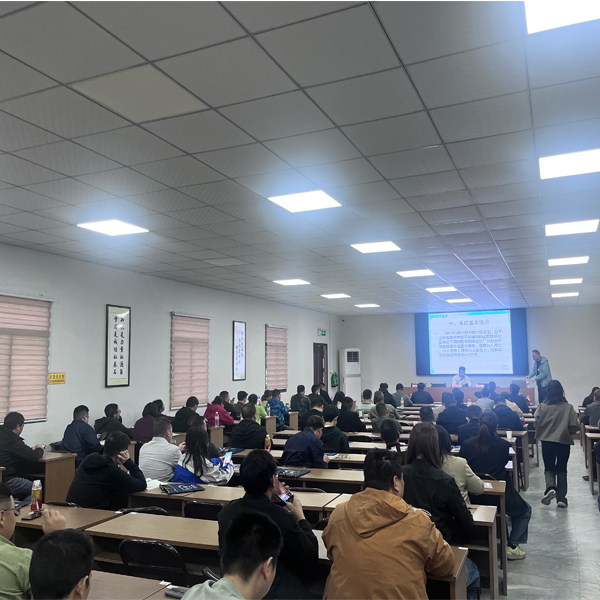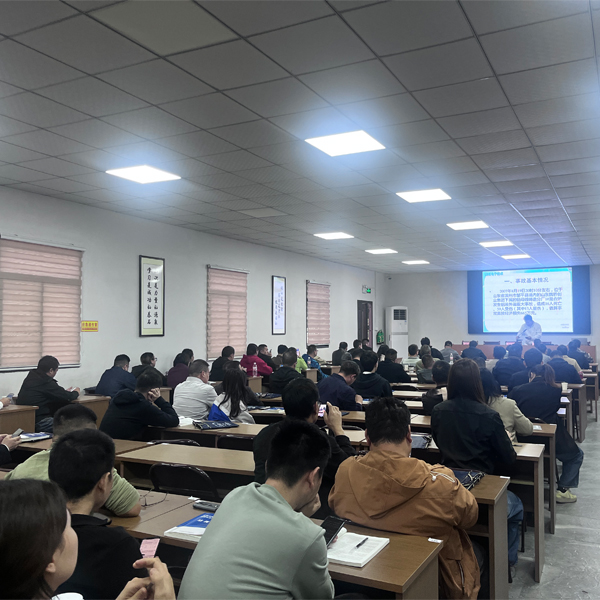

Industry-specific standards such as "Safety Technical Requirements for Aluminum and Zinc Alloy Die Casting Production" (JB/T 11735—2014), dust emission limits (PM10 ≤ 30mg/m³, PM2.5 ≤ 10mg/m³), and "Dust Explosion Prevention Safety Regulations" (GB 15577-2018) have established a clear system of responsibilities for all positions, from the safety director to frontline employees.This framework ensures the proper functioning of the safety production committee.
Zinc and aluminum involve high-temperature and high-pressure processes,so the following standardized operating procedures must be followed during production:
Melting process:Regular inspections of the furnace integrity,preheating of materials to ≥200°C, and implementation of leak and explosion prevention measures;the safe operating distance should be ≥2 meters.
Pouring process:Protection against metal liquid splashes at 1500°C (using 1.8-meter steel barriers and aluminum foil insulation suits)preheating of the mold to ≥200°C and control of the sand mold moisture content to ≤3% to prevent explosions.
Mechanical and Electrical Safety:Interlocking protection devices for die-casting machines(photoelectric sensors+dual-hand operation buttons),Sensitivity testing of emergency stop buttons(response time≤1 second);Monthly inspections of lifting equipment,as well as testing of electrical system grounding and insulation measures;Strengthening the approval process for hot work operations such as welding.
Prevention and Control of Risks from Dust, Toxic Substances, and Chemicals:The explosion limit for aluminum-zinc dust is only 40 g/m³. When mixed with VOCs (such as xylene and acetone) emitted by release agents, the ignition energy can be reduced to one-third of its original level.
Source control:The illegal storage of chemicals is mandatory to implement "dust-chemical physical isolation" - the distance between the polishing area (dust production point) and the mold release agent storage area is ≥ 10 meters and the explosion-proof closed storage tank is used to store chemicals.It is strictly forbidden to stack cleaning agents,lubricants and other combustibles in the area covered by the dust removal system;
Process Governance: The“wet operation + VOCs co-treatment”process is adopted to remove both metal dust and organic volatiles,preventing their mixture and accumulation.A strict dust cleaning system is implemented on a shift basis to eliminate potential hazards such as excessive dust accumulation at the FAW Casting plant in Chengdu.
Specialized Emergency Response Plans:
Aluminum liquid leakage/explosion:Immediate shutdown,use of fire-extinguishing sand (water prohibited); practical drills for evacuation routes;
First aid for burns:Five-step treatment method(“Rinse, Remove, Soak, Cover, Transport”); requirements for the configuration of specialized first aid kits;
Emergency response to combined disasters:New specialized plan for “dust-chemical explosion” incidents;lessons learned from failures in fire protection systems have led to the mandatory installation of spark detection and automatic explosion suppression systems (e.g., Pt/Pd catalytic oxidation devices used in German zinc alloy plants). The procedure is to “first cut off the dust removal system, then use inert gases
to extinguish the fire”;direct use of water to extinguish metal dust fires is prohibited.
Practical training:
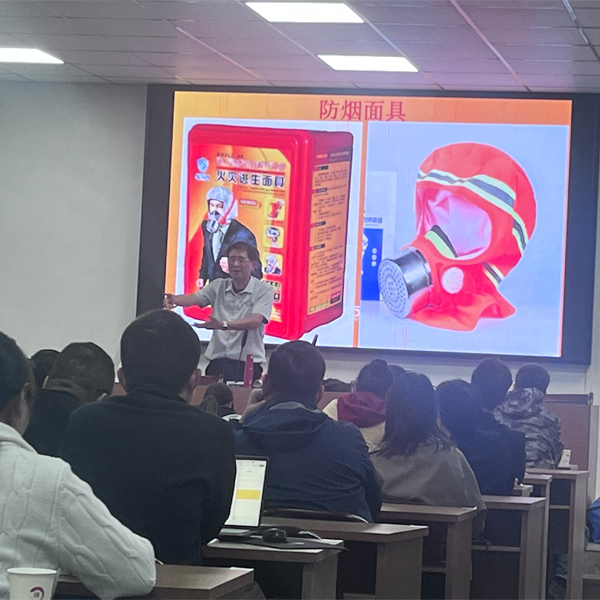
Proper use of Personal Protective Equipment (PPE): Guidelines for wearing heat-resistant gloves,protective face masks and flame-retardant work clothes,as well as criteria for determining when PPE is damaged;VR simulations of high-risk scenarios (mechanical entanglements,dust-chemical mixtures exploding,aluminum liquid splashes)to enhance risk identification skills;Increased cross-company collaborative drills to ensure the effective implementation of emergency response plans